There are many reasons people try neurofeedback. Here are the most common.
NeurOptimal® isn’t designed to treat specific conditions. It’s a brain training tool that supports the brain’s natural ability to self-regulate — and because of that, the reasons people come to it are wide-ranging. Some are dealing with something specific like poor sleep or difficulty focusing. Others are looking for a general sense of balance, or a way to perform better under pressure. The areas below are among the most common.
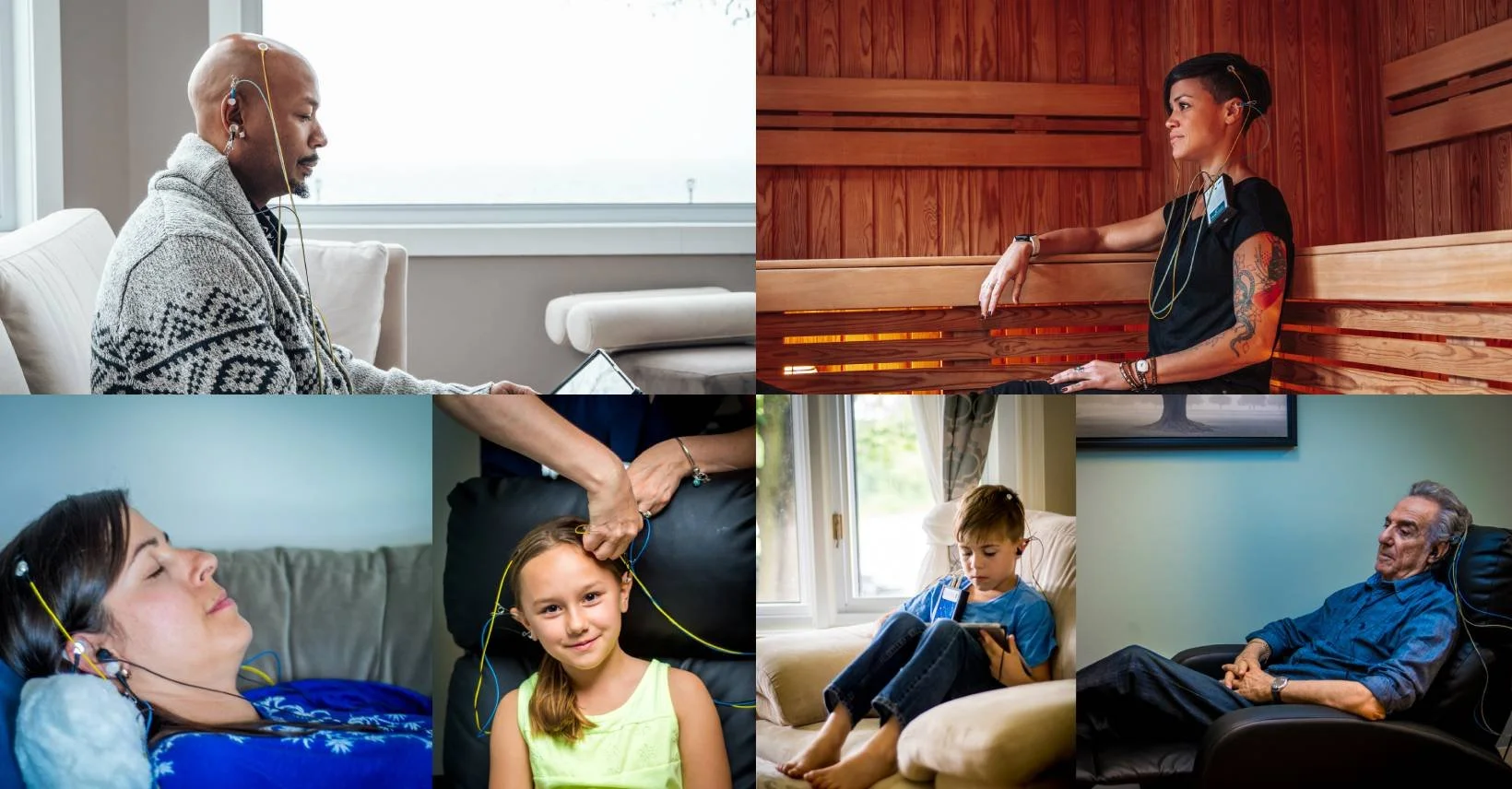
Because NeurOptimal® works with the brain’s own capacity to adapt, it’s used across all ages — from young children to older adults. It requires no effort, no diagnosis, and no particular starting point. Every brain is different, so outcomes and timelines vary from person to person.
Stress, Anxiety
Chronic stress keeps the nervous system in a heightened state of alert, making it harder to relax, think clearly, or recover from daily pressures. NeurOptimal® provides feedback that can help the brain shift out of fight-or-flight patterns more readily.
Many people who use NeurOptimal for stress-related reasons commonly report feeling calmer, less reactive, and more able to access a sense of ease.

Sleep Difficulties
Difficulty falling asleep, staying asleep, or waking up unrested are among the most common reasons people try neurofeedback. Because NeurOptimal® supports the brain’s ability to transition between states (including the transition into sleep), sleep is often one of the first areas where changes are noticed.
Focus & Mental Clarity
Brain fog, difficulty sustaining attention, and a scattered feeling are common complaints in modern life. NeurOptimal® supports the brain’s ability to focus and maintain attention by helping it become more efficient at managing its own resources.
This is relevant for students, professionals, or anyone looking to improve cognitive clarity — without stimulants or active effort during the session.
Resilience & Recovery
Traumatic experiences, prolonged stress, and emotional overwhelm can leave the nervous system stuck in patterns that are hard to break through willpower alone. NeurOptimal® is used in trauma recovery contexts around the world — including with veterans and survivors of natural disasters — because it supports the brain in becoming less locked into these patterns.Importantly, NeurOptimal® does not require talking about or reliving traumatic experiences during the session. It pairs well alongside therapy, but is also used as a standalone tool.
People commonly report a greater sense of emotional steadiness — not numbness, but a more grounded, centered baseline.

Peak Performance
Neurofeedback is not only for people experiencing difficulties. Athletes, musicians, executives, and students use NeurOptimal® to support sharper cognitive performance, creativity, reaction time, and the ability to perform under pressure.
When the brain is the primary tool, NeurOptimal® can be thought of as maintenance and optimization. Results in this area tend to be cumulative over multiple sessions.